

Teas for Anxiety and Stress Relief
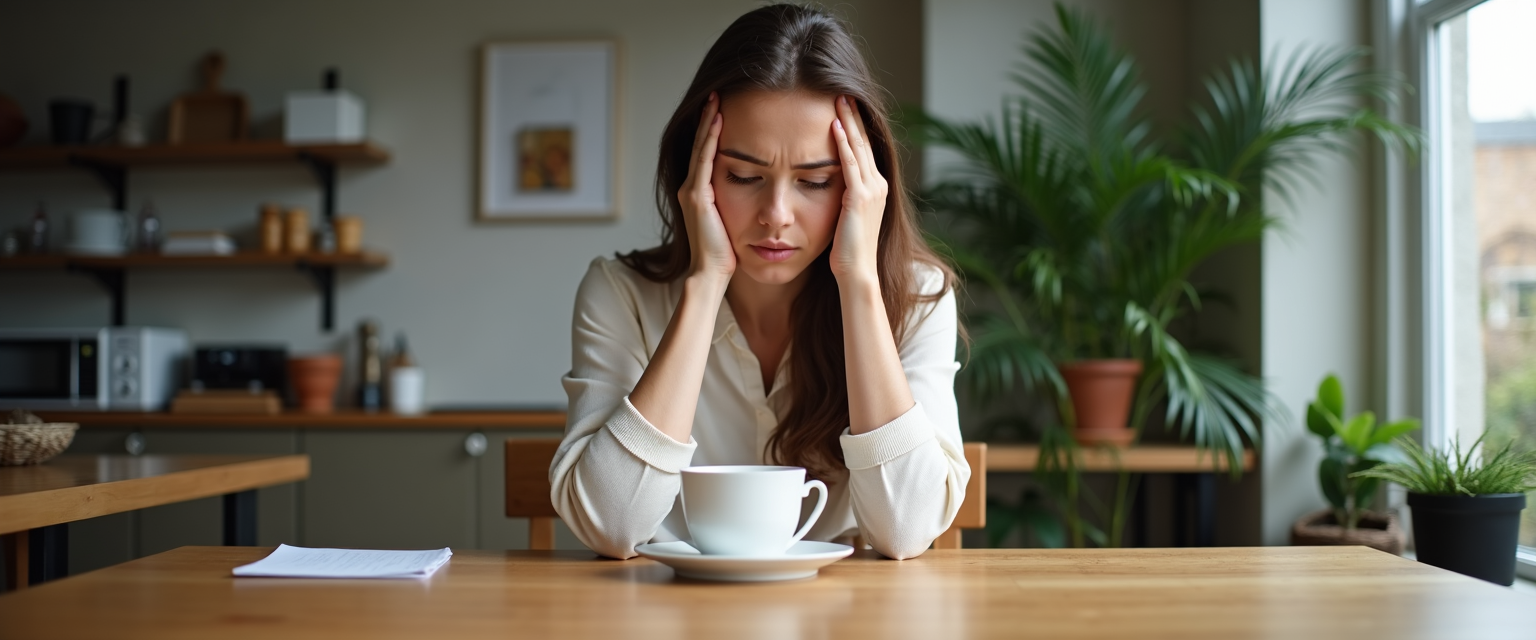
Stress and anxiety relief is the concern of millions of people. The racing heart. The tight chest. The constant feeling of being on edge. The inability to switch off at night. Herbal teas cannot cure anxiety disorders, but they can help. Used for centuries to calm the nervous system, certain herbs contain compounds that influence GABA receptors, reduce cortisol, and promote relaxation without the side effects of pharmaceutical sedatives. This guide explains how these soothing teas may help reduce tension, calm racing thoughts, promote anxiety and stress relief and support a more balanced mood.
Anxiety and Stress Relief Support Topics
1] General Anxiety
2] Nervous Tension
3] Panic Symptoms
4] Social Anxiety
5] Stress Management
6] Home – Anxiety and Stress Relief
7] Home – Herbal Tea Benefits
8] The Herbal Tea Shop
If you’d like to try these teas for yourself, we’ve curated a selection of high-quality, tested sources below. Every product we recommend has been chosen for purity and potency, or visit our online Herbal Tea Shop for even more choice.
Looking for a specific herbal tea? Browse the full A–Z list here:
Herbal Teas A-Z List
Get the Free Herbal Tea Shop Cheat Sheet
Why Herbal Teas Can Help with Anxiety and Stress Relief
Stress activates the body’s “fight or flight” response, triggering the release of hormones such as cortisol and adrenaline. While this response can be useful in emergencies, constant activation may lead to fatigue, irritability, and difficulty sleeping.
Many herbal teas contain natural compounds known as nervines, which gently support and calm the nervous system providing various levels of anxiety and stress relief. Others have mild sedative or muscle-relaxing effects that help the body unwind after periods of tension.
Drinking a warm herbal infusion can also have a psychological benefit on anxiety and stress relief. The act of pausing, breathing slowly, and sipping a calming tea encourages the body to shift back toward a relaxed and balanced state, which also encourages anxiety and stress relief.
Chamomile Tea
Chamomile tea is one of the most widely recognised calming herbs in the world. Its delicate, apple-like flavour makes it pleasant to drink, even for those who are new to herbal teas. Chamomile contains a plant compound called apigenin, which interacts with receptors in the brain associated with relaxation and sleep. For this reason, chamomile tea is commonly used in the evening to help reduce mild anxiety and promote better sleep. Regular consumption may help calm nervous tension, ease irritability, provide anxiety and stress relief, and gently prepare the body for rest.
Lemon Balm tea has been valued since medieval times for its mood-lifting and calming properties. Its light citrus scent and refreshing taste make it a popular choice for daytime relaxation and anxiety and stress relief. Research suggests lemon balm may help reduce symptoms of stress and anxiety by supporting the brain’s GABA system, which helps regulate calmness and emotional balance. Drinking lemon balm tea during periods of mental strain can help reduce restlessness, improve focus, and create a sense of calm without causing drowsiness.
Lavender tea is famous for its relaxing fragrance, but it is also effective when taken as a tea. The plant contains aromatic compounds that appear to influence the nervous system and reduce feelings of tension. Lavender tea is often used to ease nervousness, quiet racing thoughts, and support emotional balance. Many people find that its gentle floral flavour encourages a moment of quiet reflection at the end of the day. Because of its relaxing effects and anxiety and stress relief, lavender is especially popular in evening routines or before bedtime.
Passionflower tea has long been used in traditional herbal medicine as a remedy for nervous tension and insomnia. It works as a mild sedative herb, helping calm an overactive mind. Studies suggest that passionflower may help increase levels of gamma-aminobutyric acid (GABA) in the brain. This neurotransmitter helps slow brain activity and encourages relaxation. For people experiencing persistent stress, passionflower tea may help reduce mental agitation, promote anxiety and stress relief, and improve sleep quality.
Peppermint tea is better known for aiding digestion, but it also plays a role in stress relief. Its cooling aroma and refreshing taste can help clear the mind and relieve tension headaches associated with stress. Peppermint tea does not directly sedate the nervous system, but it helps relax muscles and relieve physical symptoms linked to anxiety, such as stomach discomfort or tightness in the chest. This makes peppermint an excellent daytime herbal tea for anxiety and stress relief during moments when stress begins to build.
Ashwagandha tea is an adaptogenic herb that helps the body resist the effects of chronic stress. Unlike acute nervines that work quickly but temporarily, ashwagandha works cumulatively, with benefits typically becoming noticeable after two to four weeks of consistent daily use. Studies suggest it can significantly reduce cortisol levels and improve stress resilience. It is particularly useful for individuals who feel exhausted but unable to relax. Ashwagandha has a slightly bitter, earthy flavour that is often improved with honey or a cinnamon stick.
Holy Basil (Tulsi) tea is another adaptogenic herb that helps the body adapt to physical and emotional stress. It has been shown to reduce cortisol levels which promote anxiety and stress relief, and encourage a sense of calm. Unlike some adaptogens that can be stimulating, tulsi has a balancing effect, helping to calm the nervous system without causing drowsiness. Its warm, clove-like, slightly peppery flavour makes it a comforting beverage, particularly during stressful periods. Regular tulsi consumption may help build long-term anxiety and stress relief, and resilience to both psychological and physiological stressors.
If you’d like to try these teas for yourself, we’ve curated a selection of high-quality, tested sources below. Every product we recommend has been chosen for purity and potency, or visit our online Herbal Tea Shop for even more choice.
How to use herbal teas for anxiety and stress relief effectively
Timing and preparation matter when using herbal teas for anxiety and stress relief.
For prevention and daily maintenance – drink one to three cups of lemon balm or chamomile tea daily. Add ashwagandha if stress is chronic. Add tulsi during particularly demanding periods.
At the first sign of rising anxiety – drink passionflower or chamomile tea immediately. Do not wait to see if the feeling passes. The earlier you intervene, the more effective the tea is likely to be. Allow fifteen to thirty minutes for effects to be noticed.
For acute stress or panic symptoms – passionflower has the strongest evidence for acute anxiety relief. Sip slowly, focusing on your breath. Repeat as needed, up to three cups daily during periods of high anxiety.
For physical tension and stress-related headaches – peppermint or lavender tea can be consumed when tension is noticed. Peppermint is particularly effective for tension headaches, while lavender may help with general muscle tightness. Combining the tea with gentle stretching or deep breathing enhances the benefits and brings swifter anxiety and stress relief.
For sleep disruption caused by anxiety – drink valerian or passionflower thirty to sixty minutes before bed. Create a bedtime ritual that includes brewing the tea, sitting quietly while drinking it, and then transitioning directly to sleep.
For work-related anxiety – lemon balm or green tea (with L-theanine) can provide calm focus without drowsiness. Keep a cup at your desk and sip throughout the day rather than consuming large amounts at once.
The method of brewing matters. Most calming herbs should be steeped for five to ten minutes in freshly boiled water, covered to prevent volatile oils from escaping. Using one to two teaspoons of dried herbs per cup usually produces a balanced infusion. Stronger brews may be preferred in the evening when deeper relaxation is desired. Drinking herbal tea slowly, without distractions, also enhances the calming effect thereby promoting anxiety and stress relief.
Safety considerations
Herbal teas are generally safe for regular use when taken as directed. However, several precautions apply.
Ashwagandha should be used with caution by those with thyroid conditions, as it can increase thyroid hormone levels. It may also interact with immunosuppressants, sedatives, and diabetes medications. Pregnant women should avoid ashwagandha.
Chamomile may cause allergic reactions in individuals sensitive to ragweed, chrysanthemums, marigolds, or other plants in the Asteraceae family. Reactions can range from mild skin irritation to anaphylaxis in rare cases. Chamomile may also interact with blood-thinning medications and sedatives.
Passionflower is generally safe but may cause dizziness in sensitive individuals, particularly at higher doses. It may also interact with blood-thinning medications and sedatives. Pregnant women should avoid passionflower due to potential uterine-stimulating effects.
Valerian root may cause drowsiness and should not be combined with alcohol or sedative medications, including benzodiazepines and certain antidepressants. A small percentage of people experience paradoxical stimulation from valerian, becoming more alert rather than calmer. If this occurs, discontinue use.
Lemon balm is generally very safe but may interact with thyroid medications and sedatives.
Peppermint is generally safe but may worsen acid reflux in some individuals by relaxing the lower oesophageal sphincter.
Green tea contains caffeine and may affect sleep or interact with certain medications. Those sensitive to caffeine may experience overstimulation or insomnia.
If you are pregnant, breastfeeding, or taking medication, consult a healthcare provider before using herbal teas medicinally. Herbal teas work best as part of a balanced lifestyle that includes adequate rest, healthy food, and regular physical activity.
FAQ
Which herbs work best as teas for anxiety and stress relief? Chamomile, lemon balm, and passionflower are among the most commonly recommended herbs for anxiety. They have calming properties that help soothe the nervous system and reduce mental tension.
Can herbal tea really reduce stress? Yes. Many herbs have been studied for their anxiolytic properties. While herbal teas are not a cure for anxiety disorders, they contain natural compounds that promote relaxation, provide anxiety and stress relief, and may also help reduce everyday stress.
How many cups of calming tea can you drink per day? Most people can safely enjoy two to four cups of herbal tea daily, depending on the herb used. It is wise to vary herbs and avoid excessive consumption of any single herb.
What is the best tea to drink before bed? Chamomile, lavender, and passionflower teas are particularly popular before bedtime because they help calm the mind and prepare the body for sleep.
How long does it take for herbal tea to work for anxiety? For acute anxiety, passionflower and chamomile may produce noticeable effects within thirty to sixty minutes. For chronic stress and adaptogenic herbs like ashwagandha, two to four weeks of consistent daily use is typically required.
Is it safe to drink anxiety-relieving herbal teas every day? Most gentle herbs like chamomile, lemon balm, and rooibos are safe for daily use. Stronger herbs like valerian and ashwagandha are best cycled or used as needed. Rotating between different herbs provides broader benefits and reduces the risk of developing tolerance.
Conclusion
Herbal teas offer a gentle and natural way to promote anxiety and stress relief and support emotional well-being. Chamomile, lemon balm, lavender, and passionflower have been trusted for centuries to calm the mind and ease nervous tension. Ashwagandha and tulsi build long-term resilience to chronic stress. Peppermint addresses physical tension. Although they are not a replacement for medical treatment, these soothing infusions can become a valuable part of a daily self-care routine for anxiety and stress relief. Taking a few minutes to enjoy a warm cup of herbal tea encourages relaxation, mindfulness, and balance. For anyone seeking a simple way to manage the pressures of modern life, calming herbal teas provide a comforting and accessible starting point.
Recommended Products
If you’d like to try these teas for yourself, we’ve curated a selection of high-quality, tested sources below. Every product we recommend has been chosen for purity and potency, or visit our online Herbal Tea Shop for even more choice.
👉 Best to try first: Chamomile Tea
Chamomile contains apigenin, a compound that binds to brain receptors associated with relaxation and sleep, helping reduce mild anxiety and nervous tension.
Chamomile tea (loose leaf): https://amzn.to/3Pv6zgo
Chamomile tea bags: https://amzn.to/4bCq3XM
Ashwagandha root tea (loose leaf): https://amzn.to/4sKLQEh
Green tea (loose leaf): https://amzn.to/4lV0bLO
Green tea bags: https://amzn.to/4sx5CmB
Hibiscus tea (loose leaf): https://amzn.to/4bzVBOd
Hibiscus tea bags: https://amzn.to/40IUXZB
Lavender tea (loose leaf): https://amzn.to/4bCESLp
Lemon balm tea (loose leaf): https://amzn.to/4bA4NlH
Lemon balm tea bags: https://amzn.to/47elJNf
Passionflower tea (loose leaf): https://amzn.to/4dhmjNZ
Passionflower tea bags: https://amzn.to/4lXRdgt
Peppermint tea (loose leaf): https://amzn.to/4lIQSyi
Peppermint tea bags: https://amzn.to/3NMIelO
Rooibos tea (loose leaf): https://amzn.to/4sAltAK
Rooibos tea bags: https://amzn.to/4bJInyd
Valerian root tea (loose leaf): https://amzn.to/4sq5x43
Valerian root tea bags: https://amzn.to/4t1QQ7g
Manuka Honey: https://amzn.to/47p7i9g
Tea infuser: https://amzn.to/4lAToGE
Glass teapot: https://amzn.to/4snGsGY
High-quality Garlic press: https://amzn.to/4sFBsxD
Storage boxes: https://amzn.to/47UQgQf
Assortment Box: https://amzn.to/3NFO9ZJ
Visit our online Herbal Tea Shop for more choice!
Do you read novels? Visit our bookshop to check out the ‘culturally grounded, Otherworldly narratives’ by Owen Jones.
Looking for a specific herbal tea? Browse the full A–Z list here:
Herbal Teas A-Z List
Get the Free Herbal Tea Shop Cheat Sheet
Further Reading
For a full evidence-based overview of herbal tea benefits, safety, and quality considerations, read our complete guide to Herbal Tea Benefits
1] For detailed information on specific calming herbs, see Chamomile Tea
2] To understand how herbal teas support sleep, see Herbal Teas for Sleep
3] For information on stronger anxiety remedies, see Valerian Root Tea – Benefits and Risks
4] For more on stress and the nervous system, see Herbal Teas for Nervous Tension
Visit our bookshop to check out the ‘culturally grounded, Otherworldly narratives’ by Owen Jones.
References
1] Government agency overview of anxiety symptoms and management from the National Health Service (NHS) – Anxiety Disorders
2] Summary of research on chamomile for generalised anxiety disorder from the National Center for Complementary and Integrative Health (NCCIH) – Chamomile
3] Evidence-based information on passionflower for anxiety from the National Center for Complementary and Integrative Health (NCCIH) – Passionflower
4] Practical recommendations for using herbal teas to support mental wellbeing from the Cleveland Clinic – Herbal Teas for Stress Relief