
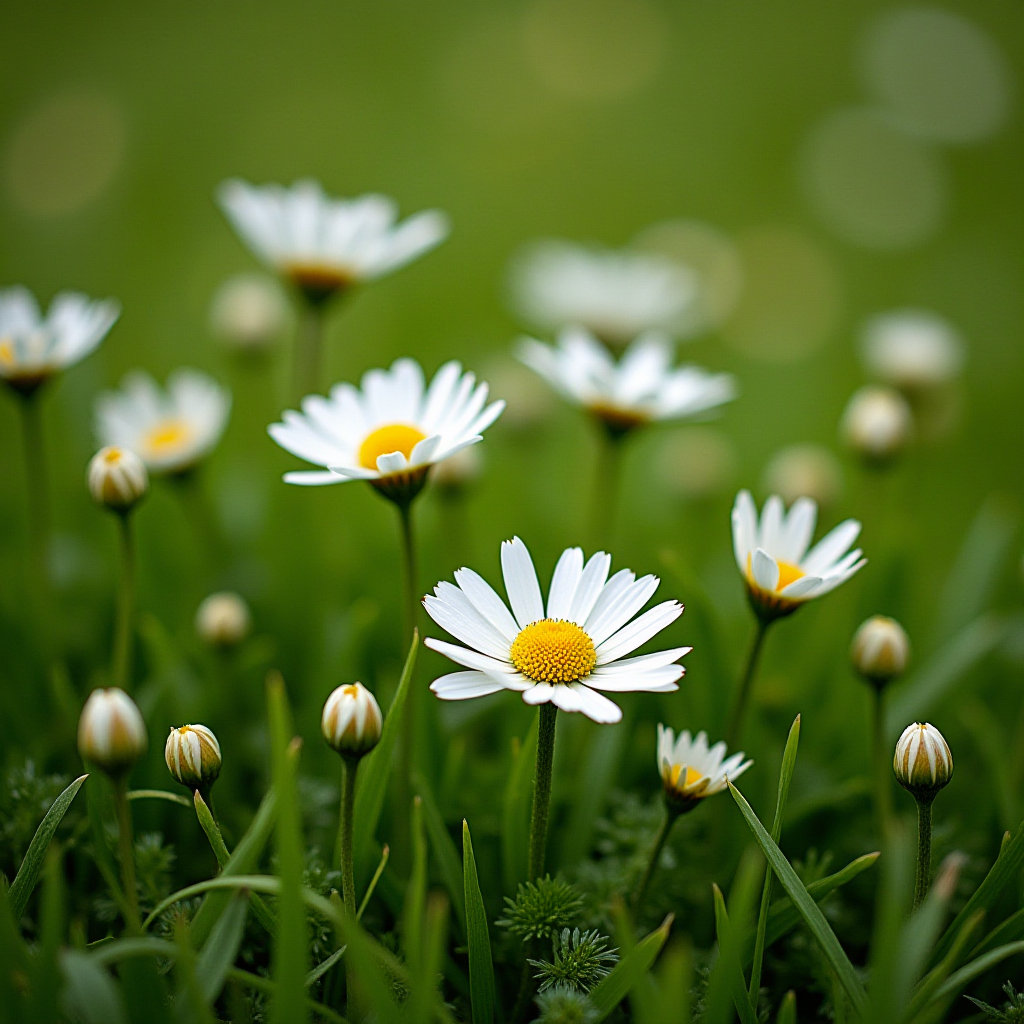


What chamomile tea is and why it is widely used
Chamomile tea is one of the most widely consumed herbal infusions, valued for its mild flavour and long history of traditional use. Chamomile tea is typically made from dried flowers of the Matricaria chamomilla or Chamaemelum nobile plant. The appeal of an infusion of chamomile lies in its perceived calming properties and its versatility as a daily beverage. Many people turn to chamomile as part of a general wellbeing routine, particularly in the evening.
If you want to try chamomile tea for relaxation, you can view current options here
→ Chamomile Tea
Key compounds and how chamomile tea works
Chamomile flowers contain several bioactive compounds, including flavonoids such as apigenin. These compounds are believed to contribute to the effects commonly associated with chamomile tea. Apigenin, in particular, interacts with receptors in the brain that are linked to relaxation and sleep regulation. While research is ongoing, chamomile is often associated with mild calming effects rather than strong pharmacological action.
Potential benefits of a chamomile infusion
Chamomile tea is commonly used to support relaxation and improve sleep quality. Many people drink chamomile tea before bedtime as part of a wind-down routine. In addition, chamomile tea may help ease mild digestive discomfort, including bloating and indigestion. Some users also associate chamomile tea with reduced feelings of stress. For a broader context on relaxation-focused infusions, see herbal teas for sleep. While these benefits are widely reported, chamomile tea should be viewed as supportive rather than a treatment.
Many people keep chamomile tea on hand for this – you can check available tea bags here
→ Chamomile Tea
Chamomile and digestion
Chamomile tea is often used after meals to support digestion. The mild nature of an infusion of chamomile makes it suitable for regular use, and some people find it helpful for reducing discomfort such as gas or bloating. If digestive support is your focus, you may also find value in herbal teas to aid digestion. Chamomile is generally considered gentle, which contributes to its popularity.
Side effects and safety considerations
Chamomile flower tea is generally regarded as safe for most people when consumed in moderate amounts. However, allergic reactions can occur, particularly in individuals sensitive to plants in the daisy family. Chamomile may also interact with certain medications, including blood thinners. Pregnant women should also seek medical advice. If you are unsure about safety, refer to herbal tea and medication. Authoritative guidance is also available from https://www.nccih.nih.gov and https://www.nhs.uk. Understanding these considerations is important when using chamomile regularly.
Recommended dosage of chamomile
Chamomile flower tea is typically consumed one to three times per day, depending on individual preference. A standard preparation involves steeping one to two teaspoons of dried chamomile flowers in hot water for several minutes. A chamomile infusion is often taken in the evening, but it can also be consumed during the day. As with any herbal product, moderation is advisable, and consistent overuse should be avoided.
How to prepare chamomile tea properly
An infusion of chamomile is best prepared using freshly boiled water that is allowed to cool slightly before pouring over the flowers. Steeping time usually ranges from five to ten minutes, depending on desired strength. The tea should have a light golden colour and a mild, floral aroma. Using high-quality herbs improves both flavour and consistency.
Choosing high-quality chamomile herbs
The quality of chamomile tea depends on sourcing, processing, and storage. Whole or lightly cut flowers tend to retain more of their natural properties than finely ground material. When selecting chamomile flowers, look for products that are well-packaged and clearly labelled. If you want a broader framework for evaluating quality, see how to choose quality herbal tea. Consistent quality is key to getting reliable results from chamomile drinks.
FAQ
Are chamomile flowers safe to drink every day?
Chamomile is generally safe for daily consumption in moderate amounts, provided there are no allergies or interactions with medication.
Can chamomile tea help with sleep?
Chamomile is commonly used as part of a bedtime routine and may support relaxation, although effects vary between individuals.
Are there any side effects of an infusion of chamomile?
Chamomile can cause allergic reactions in some people and may interact with certain medications, particularly blood thinners.
How much chamomile tea should I drink?
Most people consume chamomile in hot or cooled water one to three times per day. Moderation is recommended.
Is chamomile tea suitable for everyone?
Chamomile is not suitable for individuals with known allergies to related plants and should be used cautiously if pregnant or taking medication.
Conclusion
Chamomile remains one of the most popular herbal infusions due to its mild flavour and broad appeal. While chamomile is commonly associated with relaxation and digestive support, it should be used responsibly and with awareness of potential interactions. By choosing quality ingredients and using appropriate amounts, chamomile tea can be a useful addition to a balanced routine.
Further Reading
For a full evidence-based overview of herbal tea benefits, safety, and quality considerations, read our complete guide to Herbal Tea Benefits
1] For more on respiratory infections that often cause fever, see:
Respiratory Inflammation
2] For immune support, see:
Herbal Tea for Inflammation
3] For sore throat often accompanying fever, see:
Can Herbal Tea Help with a Sore Throat?
4] For safety guidance on herbal teas, see:
Are Herbal Teas Safe?
5] For potential interactions with medications, see:
Herbal Tea and Medication
Visit our bookshop to check out the ‘culturally grounded, Otherworldly narratives’ by Owen Jones.
Recommended Products
High-quality Chamomile flowers (Loose): https://amzn.to/3Pv6zgo
Chamomile (Tea Bags): https://amzn.to/4bCq3XM
Manuka Honey: https://amzn.to/47p7i9g
High-quality Garlic press: https://amzn.to/4sFBsxD
Tea infuser: https://amzn.to/4lAToGE
Glass teapot: https://amzn.to/4snGsGY
Storage boxes: https://amzn.to/47UQgQf
Assortment Box: https://amzn.to/3NFO9ZJ
Looking for a specific herbal tea? Browse the full A–Z list here:
Herbal Teas A-Z List
Get the Free Herbal Tea Shop Cheat Sheet